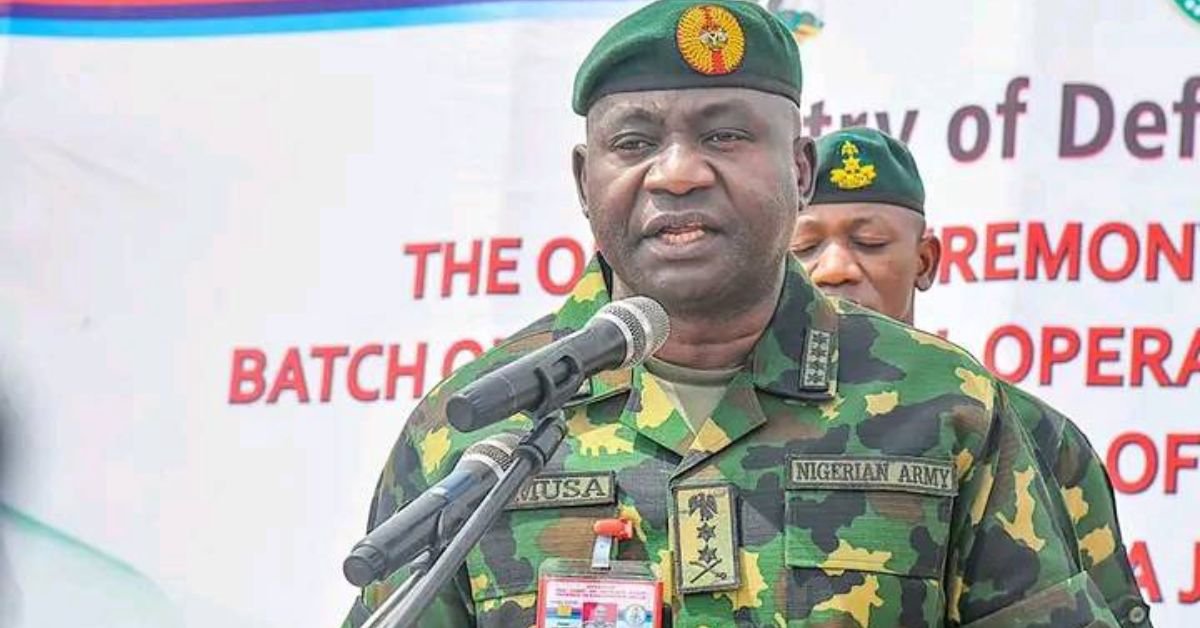
The newly appointed Defence Minister has issued a directive for the immediate withdrawal of military personnel from urban and civilian checkpoints This controversial decision aimed at re-evaluating the nations counter-insurgency strategy sparks a nationwide debate on public security and troop deployment .
A New Strategic Approach to Insecurity
The newly appointed Minister of Defence in a move that signals a dramatic shift in national security policy has issued a directive ordering the immediate withdrawal of military personnel from numerous checkpoints across the country The directive specifically targets checkpoints established in civilian areas major transport routes and urban centers where the presence of uniformed soldiers has become a long-standing and often contentious feature of daily life .
The decision which was announced late last week following the Ministers inaugural high-level security briefing is reportedly part of a comprehensive re-evaluated strategy to combat persistent national insecurity For years the deployment of regular army troops at fixed checkpoints has been a primary visible tool for maintaining law and order deterring criminal activity and conducting counter-insurgency operations However this tactic has increasingly faced criticism for its perceived ineffectiveness its negative impact on civil-military relations and the allegation that it ties down frontline combat troops in static administrative roles .
Also Read : Heartbreaking Plea Husband Demands Answers from Defence Ministry on Kidnapped Wifes Fate
The Rationale Behind the Withdrawal
Speaking anonymously to reporters a source within the Defence Ministry indicated that the rationale behind the Ministers bold move rests on several key pillars Foremost among them is the optimization of military resources The hundreds if not thousands of soldiers stationed at these fixed points are viewed as being underutilized and vulnerable to sporadic attacks By withdrawing them the Ministry plans to re-group these combat-ready units into highly mobile rapid-response strike forces These new units will focus on intelligence-driven operations targeted patrols and responding swiftly to emerging threats rather than waiting for threats at fixed locations .
Secondly the move is intended to address rising public dissatisfaction with the checkpoint system Reports of extortion unnecessary delays and heavy-handed conduct by some military personnel at these points have contributed to a climate of distrust between the populace and the armed forces The Minister is said to believe that a reduction in the visible permanent military presence will help to de-escalate tensions and allow police and civilian law enforcement agencies to assume their traditional roles in maintaining internal security and road safety .
Furthermore security experts have long argued that fixed checkpoints are predictable and can be easily bypassed or targeted by organized criminal groups and insurgents The withdrawal is therefore an attempt to replace a predictable defensive posture with a more dynamic and proactive operational strategy .
Public and Political Reaction A Mixed Response
The announcement has elicited a vigorous and polarized response from the public political figures and civil society groups .
Support for the Decision Proponents of the withdrawal including several prominent civil rights organizations and opposition politicians have hailed the move as a necessary step toward democratic normalcy They argue that the militarization of civil space is not sustainable and that the state needs to invest in strengthening the national police force—which is better equipped and trained for internal security duties—rather than relying on the army The business community has also expressed cautious optimism hoping the removal of checkpoints will ease the movement of goods and reduce the high costs and delays associated with domestic transport .
Concerns and Criticisms Conversely the decision has been met with significant concern in areas most affected by insecurity particularly in regions bordering volatile areas Community leaders and local government officials fear that the immediate withdrawal will create a security vacuum that insurgents and criminal gangs will quickly exploit They contend that while the checkpoints may be imperfect they provided a psychological sense of security and a first line of defense against invasion or major attacks .
A key opposition leader issued a public statement questioning the timing stating “While we agree in principle that the military should return to the barracks the nation is currently at a heightened level of threat To remove a visible deterrent without a tested comprehensive replacement plan is a gamble with the lives of our citizens” .
The Road Ahead Transition and Police Empowerment
The success of this landmark policy hinges on the effective execution of the transition plan According to the Defence Ministrys initial framework the military units withdrawn from the checkpoints will undergo a period of re-training focused on agile forward-operating base FOB concepts They will maintain readiness to intervene only in scenarios that overwhelm civil authorities such as major insurgent breaches or large-scale civil disorder .
Crucially the policy mandates a simultaneous rapid empowerment of the national police force This includes the immediate deployment of newly trained police Special Weapons and Tactics SWAT teams to critical infrastructure points an increase in police patrol funding and the installation of advanced surveillance technology in areas previously manned by soldiers However the police force faces its own challenges including inadequate funding historical issues with corruption and a severe deficit in advanced combat training—issues the government must swiftly address if the transition is to be seamless and successful .
The new Defence Minister has taken a high-stakes risk The coming months will be a crucial test of his strategic vision determining whether the withdrawal of troops from fixed checkpoints leads to the promised dynamic and effective counter-insurgency force or inadvertently opens a new chapter of vulnerability for the nation .
Dynamic Disclaimer Requirement
The news information presented here is based on available reports and reliable sources concerning a security policy announcement Readers should cross-check updates and specific operational details from official government and security news outlets .