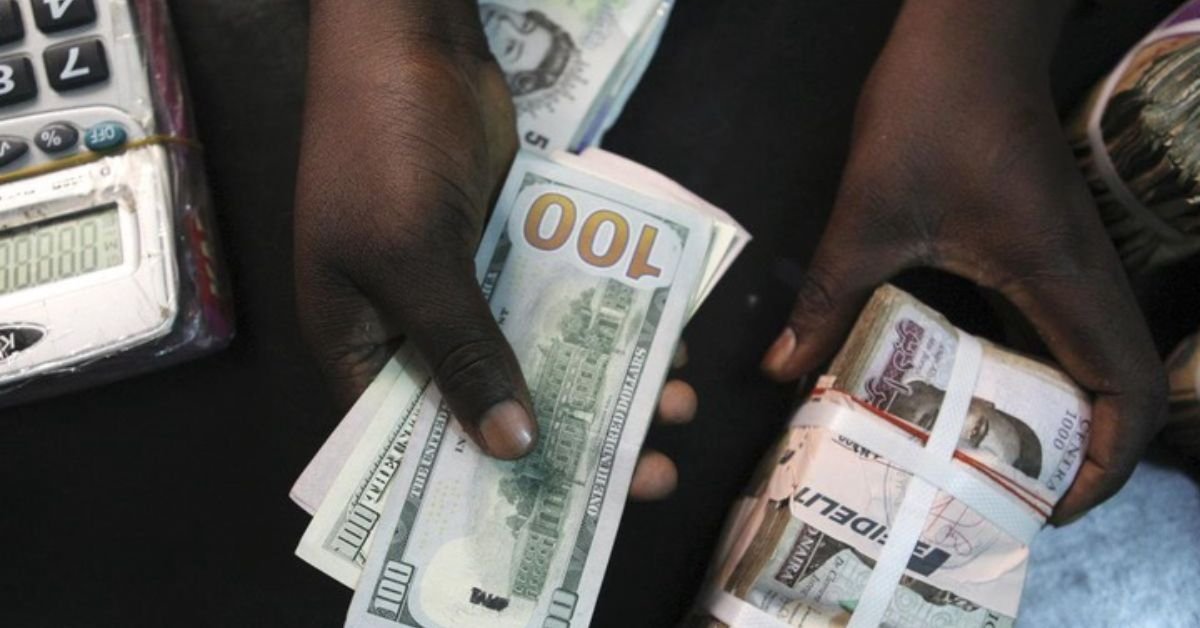
The exchange rate between the Nigerian Naira NGN and the United States Dollar USD remains one of the most critical economic indicators in Nigeria It directly impacts the cost of imports inflation foreign investment and the daily finances of citizens As of today December 4th 2025 the foreign exchange market continues to exhibit the characteristic disparity between the official trading window and the informal or parallel market .
Understanding the difference between these rates is key to navigating Nigeria’s complex economic landscape Importers exporters foreign investors and even students paying school fees abroad must constantly monitor these fluctuations .
The Official Exchange Rate The NAFEM Window
The official exchange rate is the benchmark rate set and monitored by the Central Bank of Nigeria CBN and primarily traded through the Nigerian Autonomous Foreign Exchange Market NAFEM This is the rate at which authorized dealers such as commercial banks and licensed Bureau De Change BDCs trade foreign currency for legitimate transactions like Letters of Credit LCs governmentapproved imports and official remittances .
Also Read : Fact Check Photos of Armed Nigerian Christians in Churches are MisleadingContext and Origin Revealed
On December 4th 2025 the official NAFEM rate for the Dollar to Naira stands at approximately N144490 per US Dollar .
This rate is typically determined by market forces under the willing buyer willing seller model but the CBN often intervenes through dollar sales to manage liquidity and volatility Economic commentators are watching closely to see if the reforms introduced over the past two years have achieved their goal of unifying the multiple exchange rate windows into a single transparent market .
| Market Indicator | Rate Naira per $1 | Notes |
| Official NAFEM Rate | ~N144490 | Used by banks for legitimate trade and official transactions . |
The Parallel Market Black Market Rate
Despite efforts to consolidate the foreign exchange market the parallel market often referred to as the black market or the Aboki rate continues to operate as a significant channel for individuals and businesses who cannot access their required foreign currency through the official banking system .
Factors driving the parallel market demand include .
- Restricted Access The inability of many individuals and small businesses to meet the stringent documentation requirements of the NAFEM window .
- Liquidity Constraints Persistent insufficient supply of USD within the official channel to meet the massive demand for imports and foreign services .
- Informal Remittances A significant portion of diaspora remittances and capital flight occurs through this informal sector .
As of today the rate in the parallel market is typically higher than the official rate While the exact figure can be volatile and varies between cities and traders it often reflects the true street value of the dollar based on immediate supply and demand dynamics .
Factors Influencing the DollarNaira Rate
The constant fluctuation of the DollarNaira rate is not random but a response to several interconnected national and global factors Understanding these drivers is crucial for predicting market movements .
1 Crude Oil Prices and Production Nigeria remains heavily reliant on crude oil exports for its foreign exchange earnings High global oil prices and consistent production volumes inject more dollars into the official market potentially strengthening the Naira Conversely production cuts or price slumps lead to dollar scarcity .
2 Foreign Direct Investment FDI and Portfolio Investment FPI Inflows of foreign capital into Nigerian businesses and securities boost the supply of dollars Policy stability and a favorable business environment are critical for attracting these investments .
3 Monetary Policy CBN Interventions The Central Bank of Nigerias decisions on interest rates cash reserve ratios CRR and direct dollar salespurchases significantly impact liquidity in both the official and parallel markets .
4 Inflation and Fiscal Policy High domestic inflation rates make the Naira less attractive compared to the Dollar Government spending and debt levels also play a role in longterm currency stability .
5 Remittance Policies Policies designed to channel diaspora remittances through official banking lines rather than informal channels can boost official dollar supply and help reduce the pressure on the black market .
Market Outlook and Economic Stability
Economists are keenly observing the longterm impact of the floating exchange rate system While unification aims for transparency the gap between the official and black market rates often persists indicating continued pressure from demand exceeding supply .
The sustained stability of the Naira depends on the governments ability to diversify its export base beyond oil attract nondebtrelated foreign currency inflows and control domestic inflation For the rest of December 2025 and heading into the new year market expectations will center on the CBNs forward guidance and the success of fiscal policies in improving the underlying structural issues of the Nigerian economy .
In conclusion for transactions today December 4th 2025 most large corporate and official dealings will use the NAFEM rate of approximately N144490 while everyday personal and informal transactions will be subject to the higher and more volatile parallel market rates Users are always advised to confirm the current rate before any currency exchange .
Dynamic Disclaimer Requirement
This article is for informational and educational purposes only Readers are strongly advised to verify all exchange rate details from trusted realtime financial market sources licensed Bureau De Change operators or official Central Bank of Nigeria channels before making any financial decisions or transactions .