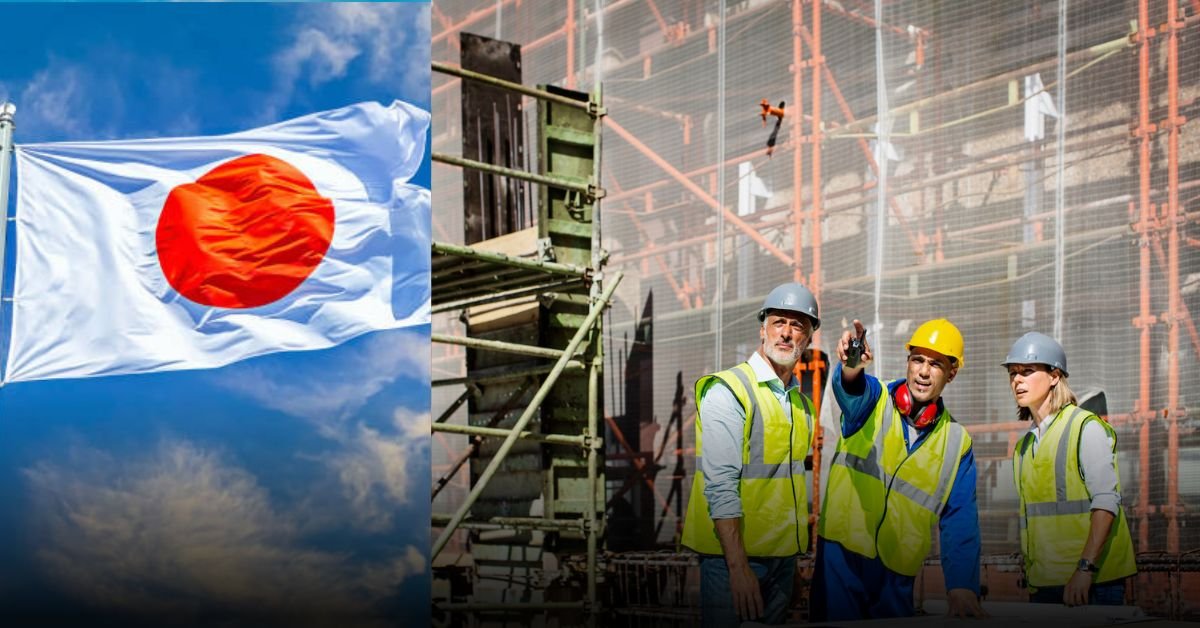
Are you planning to work in Japan’s factories this year? Japan’s “Made in Japan” products are popular again around the world. Many companies need skilled workers for factories. If you want the Japan Manufacturing Employment Pass in 2026, you must know about big changes in rules.
From April 2026, Japan will increase immigration fees a lot. This is one of the biggest changes in many years. It does not matter if you work on assembly lines or use CNC machines. You need to understand the new Japan manufacturing work visa fees for 2026. This will help you plan your money well. A good plan makes your move easy. A bad plan can cause money problems. This simple guide explains all the costs in easy steps.
The “2026 Factor”: Massive Fee Hikes Explained
For almost 50 years, Japan’s visa fees were very low compared to other big countries like in the G7 group. That time ends on April 1, 2026. The Immigration Services Agency (ISA) of Japan is making a new system with different levels of costs. They want this money to pay for better digital systems and more help for foreign workers.
Japan has more foreign workers now than ever before. The number reached almost four million in 2025. So, the government needs more money to manage things. The new fees will help with that.
Here are the estimated changes in 2026 visa fees:
- Visa Renewal or Extension: Old fee was about ¥4,000 to ¥6,000. New fee will be ¥30,000 to ¥40,000.
- Status Change (for example, from Technical Intern Training Program or TITP to Specified Skilled Worker or SSW): Old fee was about ¥4,000 to ¥6,000. New fee will be around ¥40,000.
- Permanent Residency (PR): Old fee was about ¥8,000 to ¥10,000. New fee will be ¥100,000 or more.
- Departure Tax: Old fee was ¥1,000. New fee will be ¥2,000.
This means some fees can go up by 500% or more. For example, renewing your stay in Japan will cost much more after April 2026. Many workers want to finish their applications or renewals before this date to save money. If you plan to stay long in Japan for factory work, think about this big increase now.
The government says this change will make the system better and fairer. But for workers, it means you need more money saved.
Comparing Tiers: SSW (i) vs. SSW (ii) Manufacturing
In Japan, most manufacturing jobs for foreign workers come under the Specified Skilled Worker (SSW) program. This is the main way to get a work visa for factory jobs. There are two levels: SSW (i) and SSW (ii). Your choice decides how long you can stay and if you can bring your family.
SSW (i) Manufacturing
- Stay Time: You can stay up to 5 years in total. You cannot renew forever.
- Family: You cannot bring your wife, husband, or children.
- Costs: The first exam fees are lower. But you may pay more to Registered Support Organizations (RSO) over time. These groups help you with life in Japan.
- Who Uses It: Many people move from the old Technical Intern Training Program (TITP) to this level. It is a common step for factory workers.
This tier is good if you want to work for a short time and earn money to send home.
SSW (ii) Manufacturing – The PR Track
- Stay Time: You can renew many times. It is like an unlimited renewable manufacturing visa.
- Family: You can bring and support your spouse and children.
- Pathway: This is the best way to get permanent residency later if you work in manufacturing.
- Costs: You need to pass a harder test called the Industrial Product Manufacturing (ii) Proficiency Test. This test costs more than the Tier 1 test.
If you want to live in Japan for a long time with your family, choose Tier 2. It gives more rights but needs better skills and more money at first.
Sector-Specific Exam & Skill Test Costs
To get the Specified Skilled Worker visa for manufacturing in 2026, you must pass some tests. These show you have the right skills. Tests are often done through Prometric centers. You can find the schedule for 2026 on their sites or official pages.
Here are some common costs:
- Machine Parts and Tooling Test: About ¥7,000 to ¥10,000.
- Industrial Machinery Assembly Test: About ¥8,000.
- Electric and Electronic Equipment Exam: About ¥7,000.
- Language Test: Most people take the Japan Foundation Test for Basic Japanese (JFT-Basic) or JLPT N4. These cost around ¥7,000.
- Health Check: You need a health certificate. Plan to spend about ¥15,000 for the doctor visit and papers.
These exams are important. Study hard to pass on the first try. Failing means more costs and delays.
Total Cost: How Much is a Manufacturing Visa for Japan?
The visa fee is only one part. When you move to Japan for factory work, add all costs.
- Certificate of Eligibility (COE) Processing: The official fee is low with the new digital system. But agents or companies may charge ¥50,000 to ¥150,000 for help with papers.
- First Housing: Many factory jobs are in places like Aichi or Saitama. You need to pay deposit and “key money” for an apartment. Plan for ¥200,000 or more at the start.
- Other Costs: Travel to Japan, food at first, and small things add up.
The big question: Do companies pay for the 2026 visa increases? In many cases, yes. Big companies in cars like Toyota or Honda often pay these fees. They do this to get good workers because Japan has a big labor shortage. Skilled people have power to ask for help with costs.
If your company pays, your move is cheaper. Always ask before you sign.
Frequently Asked Questions (FAQ)
-
What is the Japan manufacturing visa processing time in 2026?
With the new digital system, the ISA wants to finish the Certificate of Eligibility (COE) in 30 to 60 days. It can be faster or slower depending on your case.
-
Is there a cheapest way to get a Japan manufacturing work permit?
Yes. Start with the Technical Intern Training Program (TITP). Then change to SSW inside Japan. This avoids some big fees from outside recruiters. But in 2026, the status change fee is about ¥40,000. Still, it is often cheaper than starting new from your home country.
-
Which industries fall under “Industrial Product Manufacturing”?
The Ministry of Economy, Trade and Industry (METI) says it includes 19 areas. Examples are casting, welding, plastic molding, machine parts, and more factory work.
Final Thoughts: Secure Your Future in 2026
Japan’s manufacturing jobs give good stability and good pay. For skilled workers, there is a clear way to permanent residency if you reach SSW (ii). The 2026 fee increases are high. But Japan’s big need for workers gives you more power. You can talk to companies about paying fees.
If you are ready to apply, think about your job skill like welding or machining. Prepare your tests and papers early. Check official sites like the Immigration Services Agency (ISA) or METI for the latest news.
Disclaimer: This guide is to help you understand. Always check with official sources before you decide. Good luck with your plan to work in Japan!