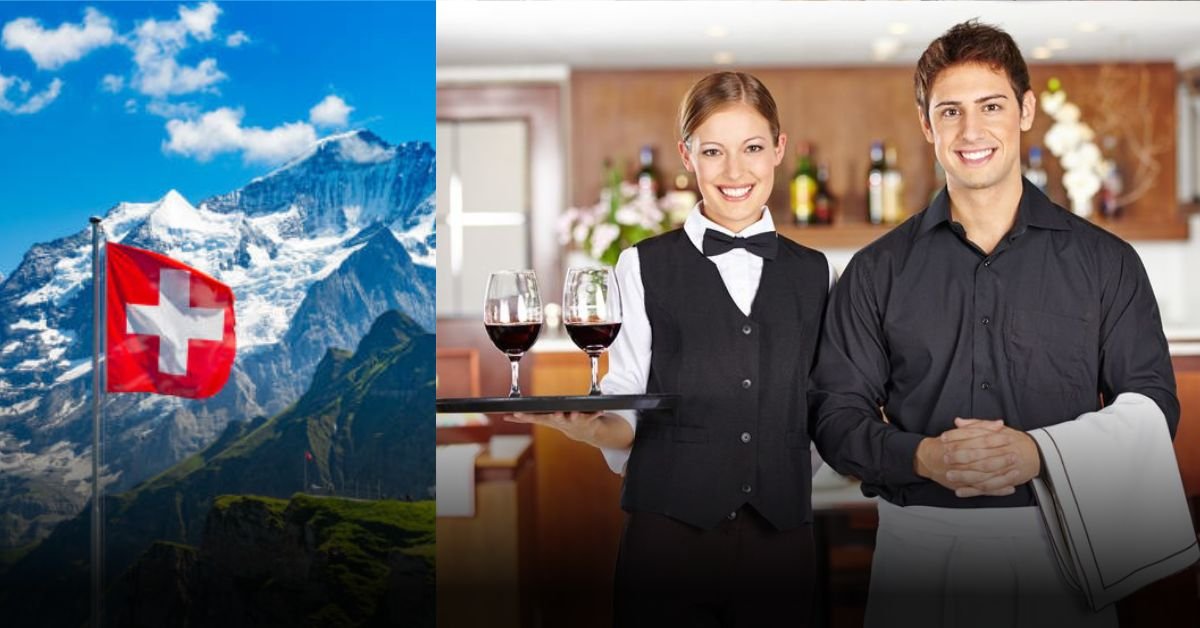
Success in the Swiss hospitality industry has always been synonymous with precision, but as we enter 2026, the bar has been raised. With the integration of AI-driven guest journeys and a renewed focus on “Slow Tourism,” hotel staff must balance high-tech efficiency with high-touch human connection. Whether you are a seasoned concierge in St. Moritz or a new front-desk agent in Geneva, this guide will walk you through the essential language skills, behavioral etiquette, and emerging trends required to thrive in the Swiss workplace this year.
Regional Language & Communication: Beyond English
Switzerland’s multilingual landscape is its greatest asset. In 2026, “Multilingualism” is no longer just a resume booster—it is a functional requirement for agility. While English serves as the international bridge, using the local language is a primary sign of respect (Ehrerbietung).
The Swiss Language Matrix
Here are some key things to know:
- Local Greetings In German areas, say “Grüezi”. In French areas, say “Bonjour”. In Italian areas, say “Buongiorno”. Use these when you first meet a guest.
- Language Nuance Use normal German (Hochdeutsch) for writing emails or letters. Try to understand Swiss German (Schwiizerdütsch). This helps you become friends with guests.
- Communication Mode Code-switching means you change languages fast. Do this to make the guest feel comfortable.
- Written Tone In emails, use titles like “Herr” or “Frau”. Keep your words short and clear.
Pro Tip: In 2026, guests message hotels on WhatsApp or apps. Even in messages, use formal words. This keeps the special Swiss luxury feeling.
Learning local words is easy and helpful. Guests feel happy when you try their language. It makes them feel at home. Practice a few new words every day. Soon, you will see more happy faces and better tips.
Workplace Behavior & Etiquette: The Pillars of Precision
Swiss hotels are known for being reliable. In 2026, good workers show quiet and perfect work. They do not show off.
The Non-Negotiables
You must always do these:
- Punctuality In Switzerland, arriving on time means you are late. Come 5 minutes early to your shift or meeting. This shows you respect others.
- Formal Address Use “Sie” in German areas, “Vous” in French areas, or “Lei” in Italian areas. Do not use the guest’s first name unless they tell you to. Luxury guests like this formal way.
- Professional Discretion Many rich people and business guests come here. Keep their secrets. Never talk about a guest to anyone else.
Non-Verbal Cues
Your body language is important:
- Personal Space Stay about one arm away from the guest.
- Active Listening Look into their eyes and nod your head. In 2026, real attention from a person is very valuable.
- Controlled Gestures Do not move your hands a lot. In German areas, big hand movements can look bad.
Good manners make guests trust you. They feel safe and cared for. Stand straight, smile softly, and speak in a calm voice. These small things make a big difference.
2026 Hospitality Trends: High-Tech meets High-Touch
Swiss hotels want to be the best in 2026. They focus on making things very personal and on protecting nature.
Service Innovation & Tech
- Hyper-personalization Hotels use one big system. Staff can see what a guest likes before they come. Set the room to their favorite temperature. Have their favorite drink ready.
- The “Human Moment” AI does easy jobs like check-in and bills. This gives staff time to help with special things that need real feelings.
- Bleisure Support Many guests work and relax at the same time. Help them with fast Wi-Fi or find quiet places for work.
Sustainability
Guests in 2026 want real care for the environment.
- Sourcing Local Know where the food comes from. Tell guests the name of the farm that made the bread or milk.
- Slow Tourism Suggest real local activities. Help guests enjoy quiet places and support small villages. Stay away from very crowded spots.
These new ways keep hotels modern and friendly. Technology makes work faster. Then staff can give more personal care.
Conflict Resolution: Soft Skills as “Power Skills”
Hotel teams are smaller now. Workers need to be strong and understand feelings.
- Empathetic Validation When a guest is unhappy, first show you understand. Say, “I understand why you feel upset…”
- Cultural Intelligence Swiss or German guests speak straight. This is not rude – it is clear. Guests from Asia may speak in a soft way to be polite. Know these differences.
- Dynamic Pricing Transparency Room prices change a lot in 2026. Explain the price by talking about the special Swiss views and service.
Solving problems well keeps guests happy. Listen well, stay calm, and fix things fast. A bad moment can become a good story.
Summary Checklist for Hotel Staff
- Do I know how to greet in the local language?
- Do I arrive 5 minutes early?
- Did I check the guest’s profile for special wishes?
- Are my messages formal and short?
Use this list every day. It helps you be ready.
The 2026 Golden Rule
Just being fast is not special. Many places can do that. Use AI for normal jobs. Use your own kind personality to give the real Swiss care that guests love.
FAQ: Working in Swiss Hospitality in 2026
-
Is English enough to work in a Swiss hotel?
Yes, for jobs in the kitchen or big international hotels. But for better jobs and luxury hotels, learn the local language (German or French) to a basic level.
-
How has AI changed workplace behavior?
AI does simple tasks like check-in. Now staff can spend more time talking and building good relationships with guests.
Disclaimer This article is only for information and learning. Please check important facts with official places like the Swiss Hotel Association (HotellerieSuisse) before you make job choices.