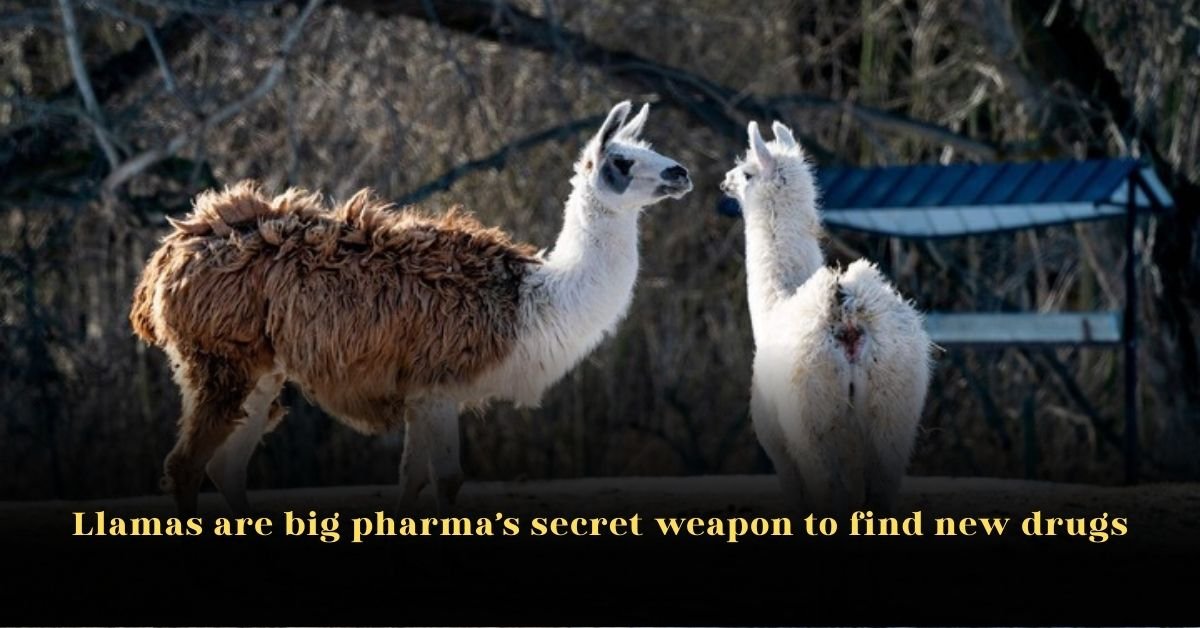
Llamas might make you think of farms or zoos. But these special animals are now helping to find new medicines. Big drug companies are using llamas to make powerful new treatments. This surprising partnership helps fight hard diseases like cancer and brain sicknesses. The secret is in the llama’s own immune system.
The Biological Edge: Llama Nanobodies in Biotech
The key is their antibodies. People and most animals make big, complex antibodies. Llamas, and their family like alpacas and camels, make smaller, simpler ones. These are called “nanobodies.” These tiny antibodies have big perks for making drugs.
They are very strong. They can survive high heat and harsh conditions that would break normal antibodies. Their small size lets them get deep into body tissues and even inside cells. Big molecules cannot reach these places. This is very useful for targeting cancer cells. They can also be designed to stick exactly to one target, like a spot on a virus. This means they can attack sick cells without hurting healthy ones.
From Farm to Lab: A Global Research Effort in Immunology
Using llama nanobodies is a worldwide mission. By 2026, research places in Belgium, the United Kingdom, and the United States keep herds of llamas for science. Here is how it works.
Scientists give a llama a tiny, safe amount of a target, like a piece of a virus. The llama’s body then naturally makes nanobodies to fight it. Next, the scientists take a small blood sample from the animal. They take out the genetic code for the strong nanobodies. Then, they can make these nanobodies in a lab using yeast or bacteria. This method lets scientists quickly find and design these molecules for medicine. After the first steps, they do not need the animal anymore. This makes the process of creating new treatments much faster.
ALSO READ: I Deserve an Award Nigerian Husband Proudly Marks 15 Years of Faithfulness to His Wife
Promising Applications in Medicine and Treatment
The possible uses in medicine are very exciting. Llama-based drugs could change patient care.
- Cancer Therapeutics & Oncology: Nanobodies can be made to carry poison straight to a tumor. Or, they can tag cancer cells so the patient’s own immune system sees and kills them. This is a big step for immunotherapy. It can work better and be less harsh than old-style chemotherapy.
- Neurological Diseases: Crossing the Barrier: A major problem in medicine is the blood-brain barrier. This wall protects the brain but stops most drugs from getting in. New research in 2025 and 2026 shows llama nanobodies are so small they can cross this barrier. Scientists are now testing them as treatments for Alzheimer’s, Parkinson’s, and even thinking problems in schizophrenia.
- Inhalable Treatments & Respiratory Medicine: Because they are so stable, nanobodies do not always need a needle. Scientists are making inhalers for asthma and lung viruses like COVID-19. A patient breathes the medicine right into the lungs. It works faster and has fewer side effects in the whole body.
- Rapid Antidotes & Diagnostics: Llama molecules could be fast antidotes for poison or snake venom. Their long shelf-life and strength also make them perfect for emergency test kits. These kits could be used in far-away places with no refrigerator.
A Future Forged by Unlikely Allies in Scientific Research
The path from a llama’s blood to a finished drug is long. It needs many years of testing. But early wins, like the 2025/2026 progress in brain disease care, show how powerful this idea can be. By using this natural trick of biology, scientists are creating new paths for precise and personal medicine. The future of finding new drugs may not just be in shiny labs. It might also be in the quiet fields where these gentle, curious animals live. Their help reminds us that nature’s best solutions can come from the most surprising places
Disclaimer
This article is for informational and educational purposes only. Readers are advised to verify details from trusted sources before making decisions.